


Assam Muslim Marriage Act repeal
The Assam government has approved a bill to repeal the Assam Muslim Marriages and Divorce Registration Act and Rules 1935. This decision, made during a Cabinet meeting on Thursday, July 18, 2024, will be presented before the next Monsoon Session of the Assam Legislative Assembly for consideration.
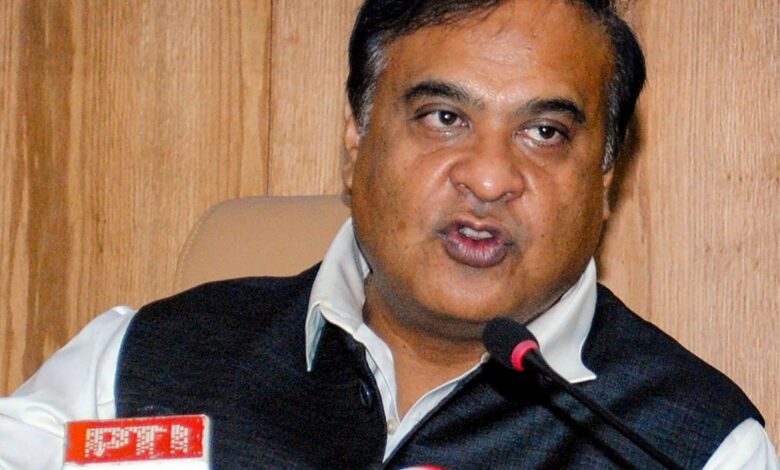
Chief Minister Himanta Biswa Sarma announced the decision on social media, stating, “We have taken a significant step to ensure justice for our daughters and sisters by putting additional safeguards against child marriage. In the meeting of the Assam Cabinet today, we have decided to repeal the Assam Muslim Marriages and Divorce Registration Act and Rules 1935 via the Assam Repealing Bill 2024.”
The move aims to bring parity in the registration of marriage and divorce. The state Cabinet has given its approval to The Assam Repealing Bill, 2024, which seeks to repeal the existing laws from 1935. Earlier this year, on February 23, the Cabinet had initially approved the abolition of the Act, and Thursday’s meeting authorized the Repealing Bill necessary to implement this decision.
Chief Minister Sarma explained that the repeal is intended to bring “parity in registration of marriage and divorce.” He also mentioned that a suitable legislation for the registration of Muslim marriages in Assam will be considered by the next session of the Assembly.
The decision to repeal the Act is seen as a measure to combat child marriage in the state. The existing Act allowed marriage registration even if the bride and groom had not reached the legal ages of 18 and 21, respectively. This move marks another significant step towards prohibiting child marriages in Assam.
However, opposition parties have criticized the decision, calling it discriminatory against Muslims and accusing the government of attempting to polarize voters ahead of elections. Congress MLA Abdul Rashid Mandal labeled the BJP government as “anti-Muslim,” suggesting that the decision is intended to favor Hindu voters. Similarly, AIUDF legislator Rafikul Islam claimed that the Cabinet’s decision was made with the intention of targeting Muslims during an election year.
Indian Muslim Marriage Act
The Indian Muslim Marriage Act, primarily governed by the Muslim Personal Law (Shariat) Application Act of 1937 and the Dissolution of Muslim Marriages Act of 1939, addresses the legal framework surrounding marriage, divorce, and related issues for Muslims in India. These laws are distinct from the secular marriage laws in India and are based on Islamic principles.
Key Aspects of the Indian Muslim Marriage Act:
1. Marriage (Nikah):
- Nature of Marriage: Under Muslim law, marriage (Nikah) is considered a civil contract rather than a sacrament. It involves a formal agreement between the bride and groom, often facilitated by a Wali (guardian) for the bride.
- Requirements for a Valid Marriage: A valid Muslim marriage requires the proposal (Ijab) from one party and acceptance (Qubul) by the other in the presence of two adult Muslim witnesses. Both parties must consent to the marriage willingly and without coercion.
- Mehr (Dower): Mehr is a mandatory gift from the groom to the bride, which can be paid upfront (Mahr Mu’ajjal) or deferred (Mahr Mu’ajjal). It symbolizes respect and is a legal obligation on the part of the groom.
2. Divorce (Talaq):
- Types of Talaq: There are various forms of divorce under Muslim law, including Talaq-e-Sunnat (revocable divorce) and Talaq-e-Biddat (irrevocable divorce). Talaq-e-Sunnat allows for reconciliation during the Iddat period (waiting period) and can be revoked, while Talaq-e-Biddat is immediate and irrevocable.
- Judicial Divorce: The Dissolution of Muslim Marriages Act, 1939, empowers Muslim women to seek divorce through the court on grounds such as cruelty, desertion, failure to provide maintenance, and others.
- Iddat Period: After a divorce, a woman must observe a waiting period (Iddat) before she can remarry. This period ensures that there are no pregnancy disputes and typically lasts three menstrual cycles or three lunar months.
3. Maintenance and Custody:
- Maintenance: Under Muslim law, a husband is obligated to provide maintenance (Nafaqah) to his wife during the marriage and the Iddat period. Post-Iddat, maintenance is not obligatory unless the wife is pregnant or they have children.
- Custody of Children: Custody is generally awarded to the mother, especially for young children, unless it is deemed detrimental to the child’s welfare. The father, however, retains the right of guardianship.
4. Polygamy:
- Polygamy: Muslim men are permitted to have up to four wives simultaneously, provided they can treat them equally and provide for them adequately. This practice is regulated by personal law and subject to conditions of fairness and justice.
5. Registration:
- Registration of Marriage: Unlike civil marriages, the registration of Muslim marriages is not mandatory under Indian law. However, it is recommended to avoid legal disputes. The recent legislative trends, like the one in Assam, are moving towards making marriage registration compulsory to ensure the rights and protections for women and children.
Conclusion:
The Indian Muslim Marriage Act, governed by a combination of religious and statutory laws, provides a comprehensive framework for marriage, divorce, maintenance, and custody among Muslims in India. While it respects religious practices, there are ongoing discussions and reforms aimed at ensuring gender justice and equality, addressing issues like child marriage and maintenance rights. These laws continue to evolve, reflecting the dynamic interplay between tradition and modernity in Indian society.