
Gaza Hospitals Face Medical Collapse
Gaza Hospitals Face Medical Collapse
The healthcare system in Gaza is facing one of its toughest challenges as hospitals struggle to provide essential treatment to patients amid severe shortages of medicines and medical equipment. The latest warning comes from the World Health Organization (WHO), which says that critical healthcare items continue to remain blocked from entering the Gaza Strip.
The restrictions have created major problems for hospitals already operating under difficult conditions due to conflict, damaged infrastructure, and an increasing number of patients needing urgent care. According to health officials, medical facilities are functioning under extreme pressure while thousands of patients wait for treatment.
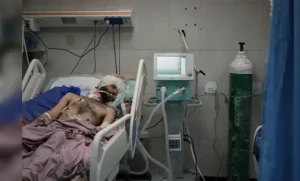

WHO Raises Serious Concerns
The WHO recently highlighted growing concerns regarding the worsening condition of hospitals in Gaza. Speaking from Geneva after returning from Gaza, Dr. Renee Van de Weerdt, WHO representative in the occupied Palestinian territory, explained that several important medical supplies have been delayed for months.
These items reportedly include prosthetic limbs, oxygen concentrators, orthopaedic equipment, and laboratory reagents needed to diagnose illnesses and conduct medical tests. The delay in receiving such materials has created a dangerous situation for patients requiring emergency and long-term treatment.
Healthcare professionals working in Gaza believe these shortages are limiting their ability to save lives and provide quality care. Hospitals are being forced to operate with fewer resources while treating increasing numbers of patients.
Hospitals Under Severe Pressure
The healthcare crisis in Gaza has intensified as many hospitals are either damaged or functioning only partially. According to WHO reports, only about half of Gaza’s hospitals are currently partially operational, while no hospital is functioning at full capacity.
This situation means doctors and nurses are struggling to treat patients amid shortages of medicines, hospital beds, oxygen systems, and surgical tools. Many hospitals are overcrowded and unable to handle emergency medical cases effectively.
Medical workers are reportedly working long hours under stressful conditions, trying to support injured civilians and patients with chronic diseases.
The WHO has also documented multiple attacks on healthcare facilities this year, adding further pressure to an already weak healthcare system.
Thousands Waiting for Prosthetic Limbs
One of the most serious humanitarian concerns is the growing number of amputees waiting for prosthetic support.
According to WHO estimates, nearly 5,000 amputees in Gaza are currently waiting for prosthetic limbs and surgeries necessary for fitting procedures. Many injured individuals suffered severe wounds during ongoing conflict and now face prolonged delays in rehabilitation.
Without prosthetic devices, many survivors are unable to return to daily life, work, or education. Physical disability, combined with limited rehabilitation support, has significantly affected families already struggling with displacement and financial hardship.
Doctors say that delays in surgery and rehabilitation can also create long-term medical complications for patients.
Medical Evacuations Becoming Difficult
As hospitals continue to struggle, many patients needing specialised surgeries or advanced medical care are being referred abroad through medical evacuation programmes supported by WHO.
However, the evacuation process remains difficult and complicated. Patients often face long waiting periods, administrative hurdles, and emotional stress.
One major concern raised by health agencies is family separation. In many cases, patients leaving Gaza for treatment are unable to travel with family members, causing emotional distress for both patients and caregivers.
Children and critically ill patients are among those facing the toughest circumstances during evacuation efforts.
Disease Risks Continue Rising
Apart from shortages in hospitals, public health risks are also increasing in Gaza.
WHO officials warn that overcrowded living conditions, damaged sanitation systems, and limited access to clean drinking water are increasing the risk of infectious diseases spreading rapidly.
Poor sanitation conditions can lead to outbreaks of illnesses, especially among children, older adults, and people with weakened immune systems.
Additionally, the shortage of laboratory testing materials has made disease detection harder. Medical authorities are finding it increasingly difficult to monitor infectious diseases and identify potential outbreaks quickly.
Without proper testing systems, healthcare teams may struggle to prevent the spread of illnesses in crowded shelters and camps.
Medical Supplies Still Delayed
A major concern highlighted by WHO involves delays in approval for medical supplies entering Gaza.
Health officials stated that many essential healthcare items remain blocked for long periods, affecting treatment capacity inside hospitals.
For example, a prefabricated hospital reportedly remains stranded in Jordan while awaiting approval to enter Gaza. Such delays, according to healthcare agencies, continue to impact emergency healthcare delivery.
Doctors stress that oxygen systems, medicines, surgical instruments, prosthetic equipment, and laboratory supplies are not luxury items but essential tools needed to save lives.
Healthcare organisations argue that allowing medical supplies to enter quickly could help reduce suffering and improve treatment outcomes.
UNRWA Continues Healthcare Services
Despite increasing challenges, the United Nations Relief and Works Agency for Palestine Refugees in the Near East continues to provide healthcare services across Gaza.
According to UNRWA Director of Health Dr. Akihiro Seita, the agency conducted nearly 4.5 million medical consultations in Gaza during the previous year. This represented around 40 percent of all medical consultations across the territory.
UNRWA has remained one of the largest providers of healthcare support for displaced civilians, despite facing operational difficulties.
The agency has also suffered heavy losses during the conflict. Reports indicate that nearly 400 UNRWA staff members have lost their lives, while many surviving staff continue to live in displacement camps alongside civilians affected by the war.
Their continued efforts highlight the severe humanitarian conditions and the growing need for international medical support.
Global Attention on Gaza Healthcare Crisis
The situation in Gaza continues to draw international concern from humanitarian organisations and healthcare agencies.
Medical experts say access to healthcare remains one of the biggest humanitarian priorities. Without adequate supplies, functioning hospitals, and better medical access, patient outcomes may worsen in the coming months.
Health agencies continue to call for urgent action to improve the flow of medical aid, strengthen healthcare systems, and ensure critically ill patients receive necessary treatment.
As hospitals struggle to remain operational, thousands of civilians continue to rely on limited medical services amid growing uncertainty.
Pros and Cons of International Medical Aid Efforts
Pros
- Emergency healthcare services continue through WHO and UN agencies.
- Medical evacuations help patients needing advanced care.
- UNRWA continues providing millions of consultations.
- Global attention may increase humanitarian support.
Cons
- Medical supplies remain delayed or restricted.
- Hospitals continue operating below capacity.
- Thousands of amputees remain untreated.
- Disease risks are increasing due to sanitation problems.
Disclaimer
This article is based on publicly available reports and statements from international healthcare agencies. Developments related to Gaza may change rapidly, and readers are advised to refer to official updates for the latest information.