
Tata Groups Ratan Tata Passes Away at 86
Introduction
India has lost one of its most iconic and respected business leaders with the passing of Ratan Tata, the former chairman of the Tata Group. At 86 years old, Ratan Tata leaves behind a remarkable legacy, not only in business but also in philanthropy and nation-building. His contributions to India’s industrial growth, international presence, and social upliftment are unparalleled, making his loss deeply felt across the country.
In this blog, we will explore Ratan Tata’s life, his monumental role in building the Tata Group into a global brand, and the impact of his passing, framework for clarity and engagement.

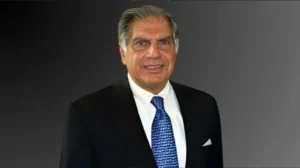
Problem: A Giant Void in Indian Business Leadership
The loss of a visionary like Ratan Tata leaves a void that is not easy to fill. For decades, Ratan Tata had been the guiding force behind the Tata Group, one of India’s largest and most respected conglomerates. His passing raises several concerns about the future of Indian business leadership and the significant gap his absence will create.
Leadership Crisis in the Indian Business Landscape
Ratan Tata’s passing brings forward the challenge of filling the leadership void in one of India’s most influential corporate houses. Ratan Tata was not just a corporate leader but a symbol of ethical business practices, long-term vision, and corporate social responsibility. His steady leadership ensured that Tata Group’s vast business empire continued to thrive, weathering both national and international challenges.
His absence is a cause for concern, not just for the Tata Group but for the Indian business community at large. Will his successors maintain the same level of integrity and vision? Will the conglomerate’s business ethics and corporate philosophy remain intact?
Agitate: The Consequences of Losing an Irreplaceable Leader
The passing of Ratan Tata is not just about the loss of a business magnate but also about the potential long-term impacts on the Tata Group, Indian industry, and society at large. Under his leadership, Tata Group expanded globally, acquired foreign companies, and remained committed to ethical business practices. Losing such a leader could lead to significant shifts, both in the company’s operational philosophy and the broader Indian business landscape.
Impact on the Tata Group’s Business Empire
Ratan Tata took over as chairman of Tata Group in 1991. His vision took the company to new heights. Notably, Tata Motors acquired Jaguar Land Rover in 2008, a landmark deal that made global headlines. He was also instrumental in making Tata Consultancy Services (TCS) one of the leading IT services companies in the world, and his vision led to the launch of the Tata Nano, the world’s most affordable car. His tenure saw the Tata Group spread its wings beyond India, establishing a global footprint.
Without Ratan Tata’s vision, the fear is that the conglomerate might lose its competitive edge and ethical core. His decisions were never made with short-term profits in mind but with the long-term interests of the company and its stakeholders. This could now change, as new leadership steps in and potentially adopts a different strategy, leading to a shift in the company’s approach to both business and philanthropy.
Potential Disruption in Philanthropy and Social Responsibility
What set Ratan Tata apart from other industrialists was his unwavering commitment to philanthropy. He believed that business should serve the community. Under his leadership, more than two-thirds of the profits of the Tata Group were returned to Indian society through the Tata Trusts. These trusts have contributed to education, healthcare, rural development, and many other areas that directly benefit millions of people.
Ratan Tata’s passing raises questions about the continuation of these philanthropic initiatives. Will the new leadership continue to prioritize social responsibility over profits, or will the corporate focus shift toward more profit-driven strategies? Without his strong ethical leadership, this could potentially disrupt the Tata Group’s legacy of giving back to society.
The Question of Succession
While Ratan Tata had already passed the baton to Natarajan Chandrasekaran as chairman of Tata Sons, his presence and counsel continued to guide the group even after his formal retirement. With his passing, the full burden of leadership now falls on Chandrasekaran and his team. While Chandrasekaran has proven his mettle in running the business side, he may not have the same philosophical alignment with Ratan Tata’s ethical vision for business and society.
The concern now is whether future leaders will honor Ratan Tata’s values or steer the company in a more profit-focused direction, potentially sacrificing the very ethos that made Tata Group stand out in the global business community.
Solution: Honoring Ratan Tata’s Legacy by Upholding His Vision
The best way to honor Ratan Tata’s life and legacy is by ensuring that the Tata Group continues to uphold his values and ethical business practices. While no leader can completely replace Ratan Tata, his vision for the company and India can still be carried forward.

Building on His Vision for Ethical Leadership
Ratan Tata’s legacy can be carried forward by ensuring that the Tata Group continues to operate with the same level of integrity and commitment to long-term growth rather than short-term profits. Leadership should prioritize ethical practices, fairness, and transparency in all its dealings. The conglomerate must continue to focus on industries that have the potential to create a positive impact on society, just as Ratan Tata did throughout his tenure.
For instance, the Tata Nano, while not a commercial success, was a bold step toward making cars affordable for the common man. The Tata Group should continue to innovate with social impact in mind.
Continuing Philanthropic Efforts and Social Contributions
To honor Ratan Tata’s life, the company should maintain its philanthropic activities at the same scale, if not greater. The Tata Trusts have transformed countless lives, and it would be a fitting tribute to continue this legacy. The healthcare initiatives, educational programs, and rural development projects that have benefited millions should remain a priority for future leadership. These contributions have shaped Indian society and should continue as a key focus of the conglomerate’s efforts.
Succession Planning for a Strong Future
Ratan Tata’s departure does not mean the end of visionary leadership. However, the Tata Group must ensure a strong succession plan that stays true to the values and vision set forth by Ratan Tata. Ensuring that the next generation of leaders within the Tata Group understands and commits to Ratan Tata’s philosophy of ethical business, philanthropy, and long-term growth is crucial.
This requires proactive steps from the company to embed these values into its corporate governance, decision-making processes, and leadership training programs. By doing this, the company can ensure that Ratan Tata’s legacy endures for decades to come.
Ratan Tata’s Key Contributions: A Case Study
Let’s take a closer look at some of Ratan Tata’s most significant contributions to the business world and society.
1. Global Expansion: The Jaguar Land Rover Acquisition
One of Ratan Tata’s boldest moves as chairman of the Tata Group was the acquisition of Jaguar Land Rover (JLR) in 2008. This was a time of economic turmoil, and many doubted the wisdom of such a move. However, Tata believed in the potential of these brands and the strategic value they could bring to Tata Motors.
This acquisition is now regarded as one of the most successful business deals in modern corporate history. Under Tata’s leadership, JLR not only survived but thrived, becoming a significant contributor to Tata Motors’ revenue and global presence.
2. Tata Consultancy Services (TCS): A Global IT Leader
Another feather in Ratan Tata’s cap is the rise of Tata Consultancy Services (TCS) to become one of the world’s leading IT services companies. TCS now contributes a significant portion of Tata Group’s overall revenue and has a presence in over 46 countries. Ratan Tata’s foresight in investing in the IT sector laid the foundation for India’s emergence as a global IT powerhouse.
3. Tata Nano: A Vision for Affordable Cars
Though it was not a commercial success, the Tata Nano project was a testament to Ratan Tata’s vision of creating a product that could improve the lives of millions of Indians. The goal was to offer an affordable vehicle for middle-class families. While the Nano did not achieve the financial success Tata had hoped for, it remains an iconic symbol of innovation driven by a desire to serve society.
4. Philanthropy and Social Responsibility
Ratan Tata’s contribution to philanthropy is perhaps his most enduring legacy. Under his leadership, the Tata Trusts expanded their work in education, healthcare, and rural development. More than two-thirds of Tata Group’s profits have been donated back to society through these trusts. Initiatives like the Tata Institute of Social Sciences and Tata Memorial Hospital stand as symbols of his commitment to improving lives.
Conclusion: Ratan Tata’s Legacy Will Live On
The passing of Ratan Tata at 86 marks the end of an era in Indian business. His contributions to industry, philanthropy, and society are unmatched. However, his legacy is far from over. The best way to honor his memory is by ensuring that the values and ethical practices he championed continue to guide the Tata Group and the broader Indian business landscape.
As we move forward, it is essential to recognize that while the world has lost a great leader, his vision and values remain. If the Tata Group and Indian industry at large can continue to uphold Ratan Tata’s principles, his legacy will continue to inspire future generations.
Disclaimer:
This article is for informational purposes only, based on available data at the time of writing. The views expressed are not intended to serve as business or legal advice.