
 Alina
Alina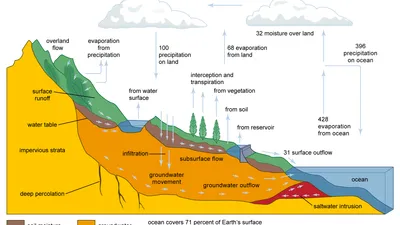
The Science Behind Weather Precipitation
Introduction
Precipitation is a fundamental process in Earth’s weather and climate systems. It refers to any product of the condensation of atmospheric water vapor that falls from clouds due to gravity, including rain, snow, hail, sleet, and drizzle. Precipitation delivers water to Earth’s surface, nourishing ecosystems and shaping landscapes. Understanding how and why precipitation occurs is essential to grasping the broader dynamics of weather, climate, and the water cycle.
What Exactly Is Precipitation?
In meteorology, precipitation means any form of water—liquid or solid—that falls from the atmosphere and reaches the ground. This includes:
-
Rain: Liquid water droplets
-
Snow: Ice crystals or flakes
-
Hail: Round ice pellets formed in thunderstorms
-
Sleet: Rain that freezes before reaching the ground
-
Drizzle: Light rain with very small droplets
It’s important to note that fog and dew are not considered precipitation because they do not actually “fall” from the atmosphere; instead, they form directly at Earth’s surface or remain suspended in the air.
The Water Cycle and Precipitation
Precipitation plays a central role in the water cycle, the process by which water moves between the atmosphere, land, and bodies of water:
-
Evaporation: Sun’s heat turns water from oceans, lakes, and rivers into vapor.
-
Condensation: Water vapor cools and condenses to form clouds.
-
Precipitation: When clouds become saturated, water droplets or ice crystals fall back to Earth.
-
Runoff / Infiltration: Water collects in rivers, streams, groundwater, and oceans—ready to evaporate again.
The water cycle ensures that all organisms have access to fresh water and shapes the planet’s climate.
How Does Precipitation Form?
Precipitation starts with water vapor rising into the atmosphere. As air cools (due to rising or encountering cooler layers), vapor condenses into tiny droplets that cluster together, forming clouds. There are two key requirements for precipitation:
-
Saturation: Air must reach 100% relative humidity, meaning it’s fully “loaded” with water vapor.
-
Droplet Growth: Cloud droplets must collide and combine (coalescence) until they’re large and heavy enough to fall as precipitation.
Common mechanisms that trigger precipitation include:
-
Cooling of Air: Warm, moist air rising cools and loses its capacity to hold vapor, leading to condensation.
-
Addition of Water Vapor: Increased environmental moisture can push air to saturation.
Once droplets or crystals in clouds are too large for air currents to keep them aloft, gravity pulls them down as rain, snow, or other forms.
Types of Precipitation Explained
1. Rain
The most familiar type, rain consists of liquid water droplets larger than a drizzle. It often results from warm, moist air cooling and condensing, typically in stratiform (layered) or cumulonimbus (towering) clouds.
2. Drizzle
Drizzle has much smaller droplets than rain. It may be hard to “feel” individually but creates a persistent, fine wetness and often reduces visibility.
3. Snow
Snow forms when water vapor condenses directly into ice crystals, which aggregate into flakes. Snowflakes fall when air temperatures are below freezing from cloud to ground.
4. Sleet
This is rain that freezes mid-fall, transforming into small ice pellets before hitting the surface. Sleet can make roads slippery and hazardous.
5. Hail
Hail is formed in strong thunderstorms where updrafts carry water droplets upward into very cold regions of clouds. There, they freeze into balls of ice, growing layer by layer before falling.
Why Does Precipitation Occur? Key Causes
Precipitation is driven by several mechanisms:
-
Convection: Sun-heated air near the ground rises, cools rapidly, and often triggers thunderstorms or heavy rain in tropical regions.
-
Orographic Lift: Mountains force air upward; as it cools, moisture condenses and produces rain or snow on windward slopes. This can lead to “rain shadow” effects on the leeward sides (drier conditions).
-
Cyclonic Activity: Low-pressure systems (cyclones) spin and create fronts, lifting air and producing widespread precipitation—sometimes intense.
Human and Natural Impacts on Precipitation
The amount, type, and pattern of precipitation are influenced by:
-
Geography: Proximity to oceans, lakes, or mountains affects local climate and rainfall.
-
Vegetation: Forests release moisture back into the atmosphere (transpiration), boosting regional precipitation. Deforestation can reduce rainfall.
-
Climate Change and Pollution: Greenhouse gas emissions from burning fossil fuels and deforestation can alter atmospheric patterns, intensifying storms or lengthening droughts.
Major events (heavy rains, droughts, or hailstorms) affect agriculture, water supply, infrastructure, air quality, and even species distribution.
Precipitation’s Role in the Environment
Precipitation:
-
Refills Aquifers and Reservoirs: Ensuring drinking water and irrigation
-
Supports Ecosystems: Plants, animals, and microorganisms rely on regular rainfall to survive
-
Shapes Landscapes: Rivers, lakes, and soil erosion are all driven by rainfall patterns
-
Controls Pollution: Rain can wash airborne pollutants to the ground, affecting air quality
How Is Precipitation Measured?
Meteorologists measure precipitation using tools such as:
-
Rain Gauges: Measure liquid rainfall
-
Snow Boards / Rulers: Track depth of snowfall
-
Weather Radar and Satellites: Observe storms and forecast precipitation from cloud movement and structure
Data from these tools help predict floods, droughts, and agricultural impacts, and are vital for disaster preparedness.
Conclusion: Why Understanding Precipitation Matters
Knowing what precipitation is—and how it forms—helps us:
-
Prepare for changing weather (carry an umbrella, plan travel)
-
Monitor water resources and plan agriculture
-
Mitigate climate change by understanding human impacts
-
Support biodiversity and ecosystem health
Continuous study of precipitation enables better forecasting, disaster prevention, and long-term climate management. Recognizing the links between precipitation, geography, climate, and environment can enhance our ability to adapt to Earth’s dynamic weather systems.
Disclaimer
This article is for educational purposes only and aims to provide a general overview of precipitation in weather, including its formation, types, and impacts. It does not provide professional advice for weather forecasting or climate science. For expert guidance, consult certified meteorologists or climate professionals.


