Alina
Alina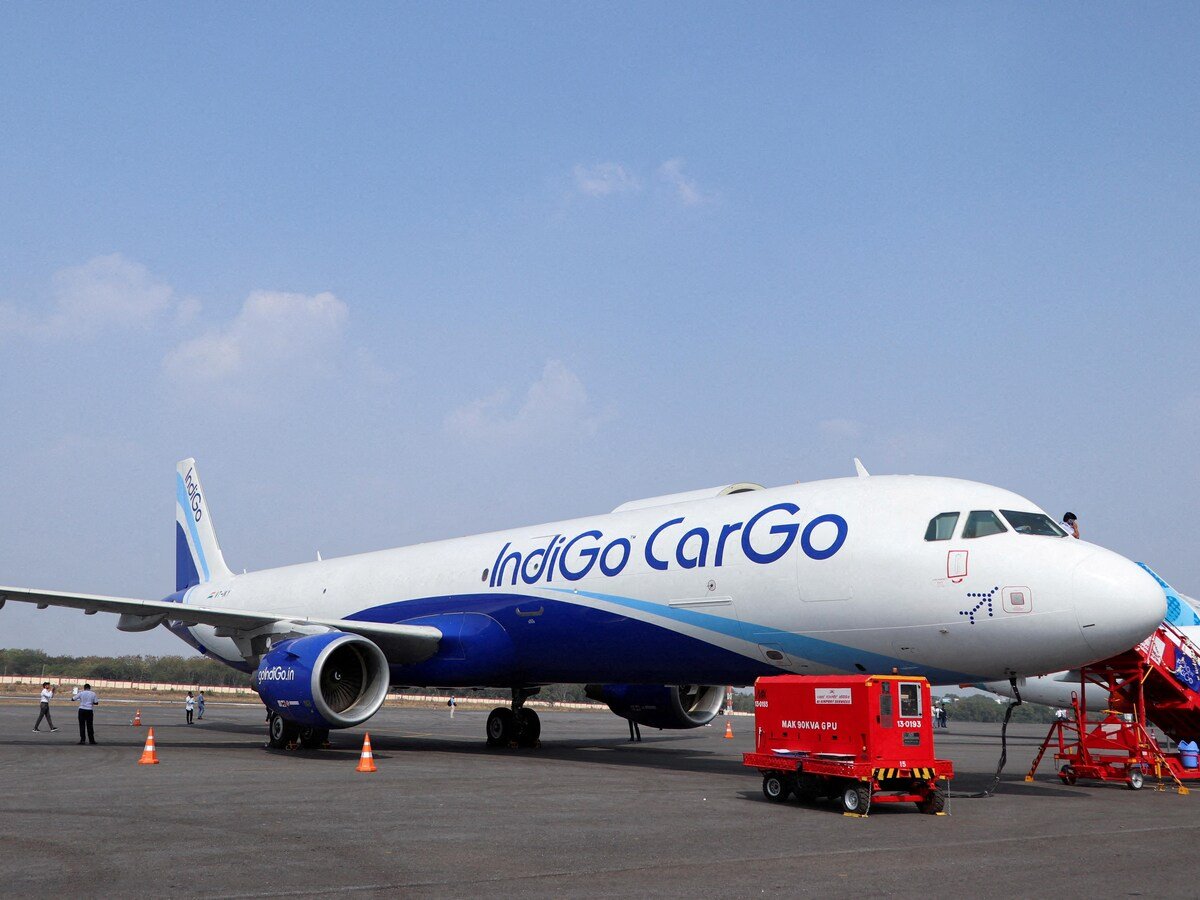
IndiGo Flight Fire Scare Controlled
Power Bank Fire on IndiGo Flight Raises Safety Questions
A Delhi to Dimapur IndiGo flight experienced a tense situation on Sunday when a passenger’s power bank caught fire inside the cabin while the aircraft was taxiing at the Indira Gandhi International Airport, New Delhi. Fortunately, the quick response from the crew prevented the situation from escalating, and no injuries were reported.
The flight, identified as IndiGo 6E 2107, was scheduled to operate between Delhi and Dimapur, Nagaland, on October 19. However, just before takeoff, the cabin crew noticed smoke and flames coming from a seat-back pocket where a passenger had placed their power bank.
Incident Description: Fire Before Takeoff
According to airline officials and sources familiar with the situation, the incident occurred while the plane was taxiing — a phase when the aircraft moves slowly along the runway before takeoff.
As the crew noticed smoke emerging from one of the seats, they acted immediately. Passengers were instructed to remain calm as the cabin crew grabbed fire extinguishers and doused the flames within seconds.
The power bank, which was later identified as the source of the fire, was completely charred, confirming that thermal runaway in the lithium-ion battery likely triggered the blaze.
Following the event, the pilot decided to return the aircraft to the parking bay, and all safety procedures were initiated. The fire was brought under control quickly, preventing potential disaster.
Airline’s Official Statement
In an official statement, IndiGo Airlines confirmed the occurrence and praised its crew for handling the matter professionally:
“Flight 6E 2107 operating from Delhi to Dimapur on October 19 returned to bay due to a minor fire caused by a passenger’s personal electronic equipment stored in the seat-back pocket. The crew managed the situation quickly and diligently following standard operating procedure, and the incident was controlled within seconds.”
The airline further clarified that no passengers or crew members were harmed, and all necessary safety checks were conducted before taking any further action.
Passenger Safety Ensured
All passengers were safely deboarded after the aircraft returned to the terminal bay. IndiGo’s ground and technical teams conducted thorough inspections to ensure that no residual damage or smoke affected the aircraft’s systems.
The flight was delayed due to the emergency return but resumed later operations after the mandatory checks were completed. The passengers were offered refreshments and assistance while arrangements were made for re-boarding.
Airline authorities reiterated that safety remains their top priority, and such incidents, while rare, are always taken seriously.
What Causes Power Banks to Catch Fire?
This incident has again brought attention to the risks associated with lithium-ion batteries, which power most modern electronic devices such as smartphones, tablets, and power banks.
Lithium-ion batteries are known for high energy density, but they can also be volatile under specific conditions. Overheating, overcharging, or manufacturing defects can cause the battery to enter thermal runaway, resulting in a fire or explosion.
In confined spaces such as airplane cabins, this becomes particularly dangerous because fire can spread rapidly due to limited ventilation.
Experts explain that placing power banks inside seat-back pockets or checked-in luggage increases the risk of such incidents. The friction, compression, or short circuits caused by metallic contact can trigger heat buildup, ultimately leading to fire.
Aviation Rules on Power Banks
The Directorate General of Civil Aviation (DGCA) has clear rules about carrying power banks on flights. According to the regulations:
-
Power banks must only be carried in cabin baggage, not in checked luggage.
-
Passengers must avoid placing power banks near flammable materials or in tight compartments like seat pockets.
-
Airlines can refuse carriage of a device that appears damaged or leaking.
-
Power banks over 100 Wh (watt-hours) require airline approval before being brought onboard.
These rules are designed to minimize the risk of in-flight fires. However, enforcement often depends on passenger awareness and crew vigilance.
Crew Training Saves the Day
The quick containment of the fire highlights the effectiveness of crew training in handling onboard emergencies. Cabin crew undergo specialized safety courses that include fire-fighting simulations and battery incident management.
In this case, the IndiGo flight attendants followed their training precisely, using the appropriate extinguisher type for electrical fires and ensuring passengers remained calm.
An aviation safety officer familiar with the event commented,
“The crew’s presence of mind and immediate action prevented a serious accident. Their adherence to SOP (Standard Operating Procedure) was commendable.”
Past Incidents Involving Power Banks on Flights
This is not the first time India has witnessed such an incident. In recent years, several similar cases have been reported:
-
2022: A power bank caught fire on a GoAir flight from Bangalore to Lucknow before takeoff.
-
2021: A passenger’s laptop battery overheated and emitted smoke on an AirAsia India flight.
-
2018: A similar fire incident was reported on a China Southern Airlines flight due to a passenger’s portable charger.
Each case reinforced the importance of battery handling awareness and crew preparedness in ensuring flight safety.
DGCA Likely to Review Safety Protocols
Following such events, the DGCA typically conducts safety audits and incident reviews to ensure compliance with existing norms.
A senior aviation official said that IndiGo will submit a detailed report of the incident, including the brand and model of the power bank involved. Based on this, the DGCA may consider issuing updated guidelines or awareness campaigns for passengers.
Airline sources mentioned that the incident was classified as a minor safety occurrence, but investigations would continue until the root cause — whether battery fault, handling error, or environmental factors — is confirmed.
Passenger Reactions and Social Media Response
Some passengers took to social media platforms to share their experiences. A few praised the crew’s professionalism, while others expressed shock at how easily such fires can start.
Posts on X (formerly Twitter) included images of the cabin after the fire was extinguished, showing minor soot marks but no visible damage to the aircraft’s interior.
IndiGo’s social media team responded swiftly, thanking passengers for their understanding and reiterating the airline’s commitment to safety.
Industry Experts Call for Awareness
Aviation experts believe that such incidents can be reduced through greater passenger education. Many passengers still ignore instructions during pre-flight safety briefings or fail to declare damaged devices.
Experts recommend:
-
Using certified, high-quality power banks with BIS (Bureau of Indian Standards) approval.
-
Avoiding cheap or counterfeit electronic accessories.
-
Storing devices in easily accessible locations and not in seat pockets.
-
Monitoring devices while charging and unplugging them once full.
With the rise in electronic device dependency, airlines and regulatory bodies may soon introduce digital awareness campaigns and in-flight warnings regarding the risks associated with battery-operated devices.
The Bigger Picture: Aviation Safety in India
India’s aviation sector is expanding rapidly, with millions of passengers flying every week. As more travelers carry multiple gadgets, the challenge of managing battery safety has become increasingly significant.
Airlines are now reviewing their onboard equipment, ensuring fire extinguishers and smoke detectors are positioned strategically. The DGCA’s safety bulletins emphasize proactive measures such as crew refreshers, mock drills, and random passenger baggage inspections.
The IndiGo incident, while minor, serves as a wake-up call for both passengers and airlines. It underscores that even a small device, when mishandled, can pose a major safety risk in a controlled environment like an aircraft.
Conclusion: A Lesson in Preparedness
The IndiGo Delhi-Dimapur fire incident ended without casualties, thanks to the crew’s alertness and adherence to procedures. However, it serves as a reminder of the hidden dangers of electronic gadgets when not handled responsibly.
Airline safety depends not only on the aircraft’s systems but also on passenger awareness and compliance with safety guidelines. As travel resumes post-pandemic and gadget use rises, such awareness will be key to preventing future incidents.
IndiGo’s efficient handling of the situation has drawn praise from aviation authorities and the public alike, demonstrating that with proper training, even potential crises can be averted calmly and efficiently.
Disclaimer:
The above article is based on verified reports and official airline statements available as of October 19, 2025. It is intended for informational purposes only. The publication does not claim or infer liability regarding the incident and encourages readers to follow airline and DGCA safety guidelines.